The Complete Coastal Accommodation Reference: From Beachfront Villas to Harbor Inns
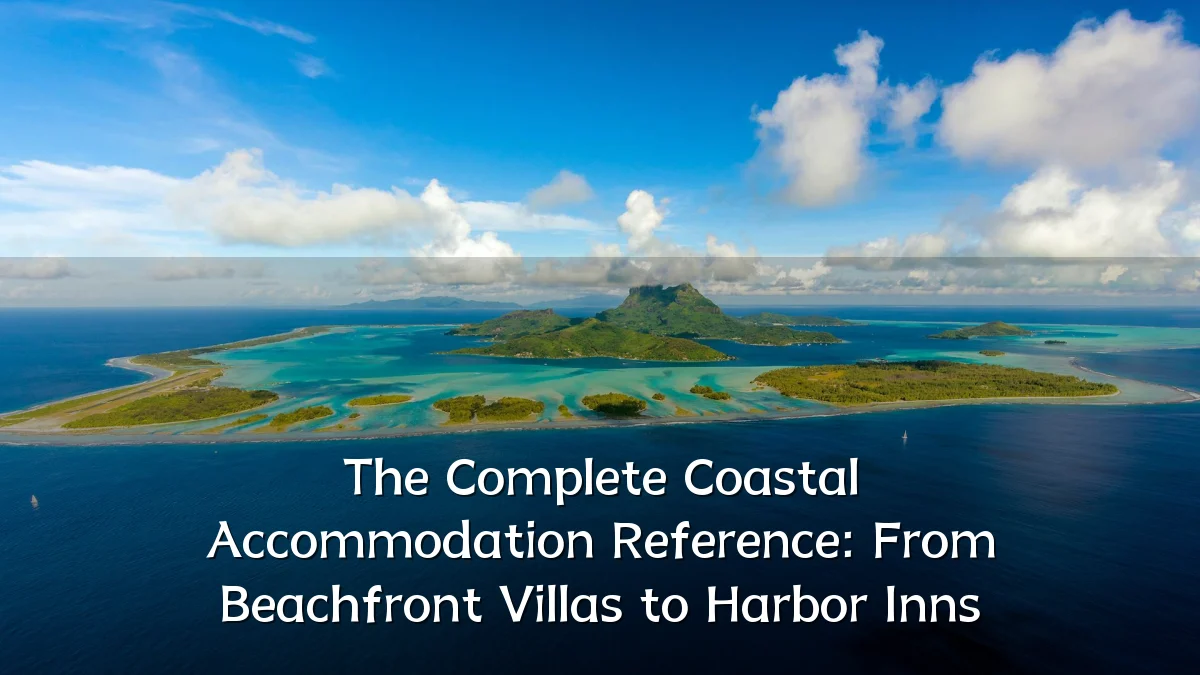
Coastal lodging spans a wide spectrum, from private beachfront villas with direct shore access to compact harbor inns built around working waterfronts. For travelers, the choice is rarely about price alone; it is about how the property relates to the water, the surrounding community, and the seasonality of the coast itself. This reference examines the current state of coastal accommodation, the factors shaping it, and what guests and operators should keep in mind.
Recent Trends
Demand for coastal stays has shifted in recent years, largely because of flexible work arrangements and a broader preference for domestic or regional travel. Properties that offer stable internet, dedicated work spaces, and longer-stay discounts have seen increased interest, even outside peak summer months. At the same time, travelers are placing more value on authentic location—being within walking distance of a working harbor or having direct beach access often outweighs on-site resort amenities.

Notable movement is also occurring in booking behavior:
- Direct bookings are rising, driven by travelers seeking better cancellation terms or loyalty perks that third-party platforms may not offer.
- Sustainability labels and eco-certifications are becoming a visible differentiator, especially for beachfront properties that face scrutiny over coastal erosion and waste management.
- Smaller, independent properties are gaining ground by emphasizing local character over standardized hospitality experiences.
- Last-minute coastal bookings have grown in shoulder seasons, as travelers become more comfortable with weather uncertainty in exchange for lower rates.
Background
The modern coastal accommodation landscape has deep roots in boarding houses, fishing lodges, and grand seaside hotels. Over time, the market expanded into vacation rentals, boutique villas, and repurposed harbor buildings such as old warehouses or pilot stations. Each format carries distinct advantages: villas offer privacy and space, harbor inns provide proximity to maritime activity, and mid-range motels or apartments deliver convenience at a lower cost.

Ownership and operation models have also diversified. Some coastal properties are run by families who have held the land for generations, while others are managed by short-term rental companies or institutional investors. This mix influences pricing, availability, and how profits circulate within local coastal economies. Understanding these models helps travelers anticipate service levels and community relations.
User Concerns
When evaluating coastal accommodation, guests typically weigh several practical considerations beyond the photos and star ratings. The most common concerns fall into a few recurring categories:
- Proximity and access. Beachfront villas may offer a private path to the sand, but that path can be steep, tidal, or unusable in high surf. Harbor inns may sit minutes from ferries and seafood markets but involve noise from boats and early-morning crews.
- Seasonal pricing and availability. Rates can vary by two to three times across peak and off-peak periods. High-season minimum stays are common in villa markets, while harbor inns often offer shorter, flexible stays year-round.
- Climate and weather risk. Coastal properties face exposure to storms, flooding, and erosion. Guests should confirm whether the host has a clear plan for severe weather or refunds if access is disrupted.
- Parking and connectivity. Many older coastal properties lack dedicated parking or reliable mobile reception, which can be a deciding factor for families or remote workers.
- Cleaning and maintenance standards. Salt air, sand, and humidity take a toll on furnishings and appliances. Recent guest reviews often highlight whether a property is genuinely maintained or merely photographed well.
Likely Impact
The continued expansion of coastal accommodation is likely to have both economic and environmental consequences. On the economic side, thriving coastal rentals and inns can sustain local jobs and support nearby businesses such as restaurants, gear rental shops, and tour operators. In communities that depend on seasonal tourism, a steady stream of overnight guests can smooth out income volatility and justify year-round staffing.
However, pressure on fragile coastal environments is expected to intensify. Increased foot traffic on dunes, higher freshwater and energy use, and the need for infrastructure upgrades are recurring challenges. Some municipalities are responding with occupancy caps, short-term rental registration, or stricter setback rules for waterfront construction. These measures affect operators differently; established inns with permanent foundations may adapt more easily than owners of temporary or elevated structures.
What to Watch Next
Several developments are likely to shape the coastal accommodation sector in the coming years. Travelers and industry observers should monitor the following:
- Climate adaptation design. Elevated buildings, removable furnishings, and landscaping that absorbs stormwater may become standard features rather than exceptions.
- Regulatory shifts. More coastal districts are likely to revisit zoning rules, rental caps, and insurance requirements. Sudden policy changes can affect availability and rates with little notice.
- Technology integration. Contactless check-in, dynamic pricing tools, and smart energy management are becoming cheaper and more accessible for small coastal operators.
- Blended travel patterns. If remote work remains common, the distinction between vacation stays and seasonal residences may continue to blur, leading to longer bookings and altered peak seasons.
- Community-led hospitality. Local co-ops or community land trusts may play a larger role in preserving affordable coastal lodging and keeping benefits within the area.
For anyone choosing between a beachfront villa and a harbor inn, the best decision depends on priorities: solitude versus convenience, space versus atmosphere, and tolerance for seasonal quirks. Because coastal conditions are inherently variable, flexible booking terms and clear communication with the host remain the most dependable safeguards.